

Understanding the Role of Private Duty Nurses
Private duty nurses play a crucial role in improving the quality of life for both seniors and adolescents.
These healthcare professionals provide personalized care in the comfort of an individual’s home, focusing on their specific medical and personal needs.
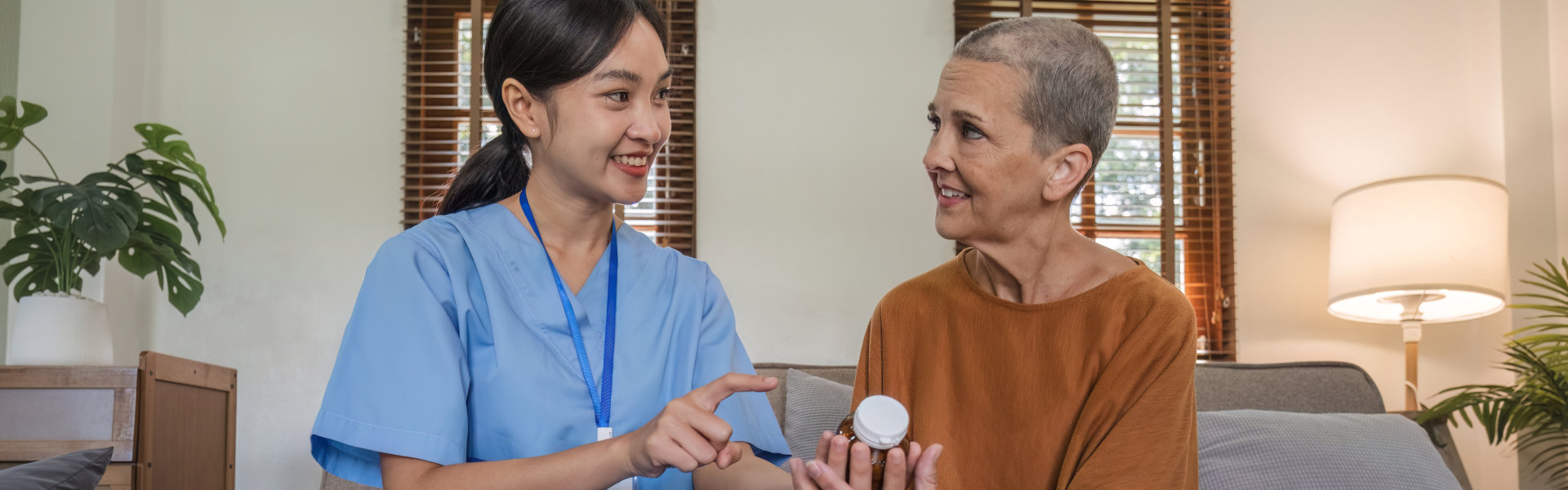
Their responsibilities may include medication management, wound care, monitoring vital signs, and providing emotional support.
In addition, private duty nurses often collaborate with physicians, therapists, and other healthcare providers to ensure comprehensive and coordinated care.
Benefits of Private Duty Nursing for Seniors
Private duty nursing offers personalized care and attention that allows seniors to remain comfortable and independent in familiar surroundings.
Some of the key benefits include:
- Tailored Care: Individualized care plans are developed to meet each senior’s unique health needs and preferences.
- Companionship: One-on-one attention helps reduce feelings of loneliness and isolation while promoting emotional well-being.
- Medication Management: Nurses help ensure medications are taken correctly and on schedule.
- Health Monitoring: Routine assessments help identify potential concerns early and support ongoing wellness.
- Assistance with Daily Tasks: Support with bathing, grooming, dressing, and meal preparation can significantly enhance quality of life.
Benefits of Private Duty Nursing for Adolescents
Private duty nursing also provides valuable support for adolescents with medical conditions or specialized healthcare needs.
Receiving care at home allows young individuals to remain in a familiar environment while benefiting from professional medical assistance.
Advantages of private duty nursing for adolescents include:
- Personalized one-on-one care tailored to individual health requirements.
- Greater independence and comfort within the home setting.
- Emotional support during challenging health situations.
- Education and guidance on managing medical conditions.
- Coordination of care with physicians, therapists, and other healthcare providers.
Tailoring Care for Specific Age Groups
Private duty nurses understand that seniors and adolescents have unique physical, emotional, and social needs.
By tailoring care to specific age groups, nurses can provide more effective support and improve overall health outcomes.
Benefits of age-specific care include:
-
Customized Treatment Plans
Care plans are designed to address the unique needs, preferences, and health goals of each patient. -
Specialized Expertise
Nurses develop experience in managing age-related conditions and providing age-appropriate care. -
Enhanced Communication
Personalized care promotes stronger communication between nurses, patients, and family members. -
Improved Comfort
Individualized support helps address physical and emotional comfort needs more effectively.
This tailored approach ensures that each patient receives care that aligns with their stage of life and personal circumstances.
Ensuring Personalized Care and Attention
One of the greatest advantages of private duty nursing is the ability to provide focused, individualized care.
Unlike traditional healthcare settings where providers may care for multiple patients at once, private duty nurses dedicate their attention to a single individual.
This allows for a higher level of monitoring, personalized support, and responsiveness to changing needs.
The Importance of Companionship and Emotional Support
Companionship and emotional support are essential components of quality care.
Private duty nurses often develop meaningful relationships with their patients, providing comfort, encouragement, and reassurance.
This emotional connection can:
- Reduce feelings of loneliness and isolation.
- Improve mood and emotional well-being.
- Create a stronger sense of security and belonging.
- Build trust between the patient and caregiver.
- Promote overall happiness and quality of life.
Balancing Medical Tasks with Compassion
Private duty nurses balance clinical expertise with genuine compassion.
While they perform important medical tasks such as administering medications, monitoring health conditions, and providing treatments, they also offer emotional encouragement and understanding.
This combination of professional skill and human connection creates a holistic approach to care that supports both physical and emotional well-being.
Training and Qualifications of Private Duty Nurses
Private duty nurses receive specialized training that equips them to provide high-quality care in home settings.
Most private duty nurses are licensed professionals, such as Registered Nurses (RNs) or Licensed Practical Nurses (LPNs).
Additional certifications and specialized training may include:
- Wound care management.
- Medication administration and monitoring.
- Chronic disease management.
- Operation of specialized medical equipment.
- Emergency response, CPR, and first aid.
This training enables nurses to provide safe, effective, and individualized care in the home environment.
Collaborating with Healthcare Professionals and Families
Successful home care relies on collaboration between healthcare professionals, families, and caregivers.
Private duty nurses work closely with physicians, therapists, case managers, and family members to ensure continuity of care.
Through regular communication and coordinated care planning, nurses help ensure that patients receive the most appropriate support for their health and well-being.
Enhancing Quality of Life Through Dedicated Care
Private duty nurses play an essential role in enhancing the quality of life for seniors and adolescents who require specialized care.
Their dedication extends beyond medical treatment, focusing on the physical, emotional, and social needs of each individual.
By providing personalized attention, compassionate support, and professional healthcare services, private duty nurses help patients maintain greater independence, comfort, and overall well-being.
Through their commitment to excellence, private duty nurses make a meaningful difference in the lives of those they serve, creating a safer, healthier, and more supportive home care experience.